Table of Contents
Collecting Pokémon and One Piece cards is a fun hobby—but fake cards are becoming harder to spot. Learning to identify authentic cards helps avoid scams and protect your collection’s value. Scammers are getting better at making cards look real, making it harder for collectors to tell the difference.
Knowing how to spot fake cards and avoid scams can save collectors money and protect their collections.
Some scams are easy to spot if you know what to look for, such as spelling errors, poor print quality, and the wrong card backs. Trusted resources explain that checking these features and buying only from reputable sellers is important.
Learning the signs of fakes helps both new and experienced collectors avoid mistakes and keep their cards safe.
Understanding Pokémon & One Piece TCG Cards
Collectors and players value trading cards like Pokémon and One Piece cards for their gameplay, artwork, and rarity. Knowing how real cards look and feel helps fans spot fakes and avoid scams.
Why Understanding the Basics Helps You Avoid Scams
Learning the basics of Pokémon and One Piece trading cards gives players and collectors an advantage. It helps them notice warning signs like odd logos, poor print quality, or incorrect card backs.
Fake cards are often made with cheap materials. They may have thin cardstock or blurry artwork.
Real cards use consistent fonts, colours, and high-quality printing. Checking details—like set symbols, energy icons, or serial numbers helps spot counterfeits.
Some scammers use slight changes to trick buyers who do not know the basics. The more familiar someone is with what a real card looks and feels like, the easier it is to avoid scams.
Significance Of Authentic Trading Cards
Authentic trading cards keep their value and are accepted in tournaments and trades. Counterfeit cards can be spotted easily by experienced players, making them worthless for official play or trading.
Real cards usually come from trusted retailers and follow official print standards. They offer a consistent experience when shuffling or playing.
Counterfeit cards might have different thickness or weight, making play unfair. Buying fake Pokémon cards is also risky for collectors.
Fakes can hurt a collection, decrease value, and cause disappointment. Authentic Pokémon TCG cards are known for their precise printing, uniform edges, and sharp pictures.
Key Features of Official Pokémon TCG Cards
Official Pokémon TCG cards have important features that help identify them. Here is a simple list:
- Consistent card back colour and design
- Clean printing and sharp text
- Official Pokémon or Pokémon TCG logo
- Quality cardstock with the right thickness
- Clear set numbers and expansion symbols
- Accurate energy symbols and attack names
The best way to spot fakes is to compare a card to a verified real card, focusing on details like the card back design. Blurry colours, spelling mistakes, or missing accents on words can also be strong warning signs.
Collectors and players should look closely at every card’s details.
Recent Scams & Counterfeit Alerts in the TCG World (2024–2025)
Multiple scams and counterfeit reports have shaken the trading card community in 2024 and 2025.
Pokémon Prototype Card Controversy
High-value Pokémon prototype cards believed to be from the 1990s were exposed as fakes in early 2025. Forensic checks showed hidden printer marks from 2024, raising suspicion over millions of dollars in suspected forgeries.
These cards, linked to a retired Creatures Inc. employee, caused a major stir as collectors learned about the ongoing prototype Pokémon forgery scandal.
Singapore Online Sale Scams
According to The Straits Times, the author Carmen Sin claimed that from early 2025, more than 50 Pokémon card collectors in Singapore lost at least S$163,000 to scams. Victims often paid for rare cards listed online but received counterfeits or nothing at all.
Police urged buyers to use secure payment methods and stick to reputable online sellers.
Counterfeit One Piece Manga Rare Alert
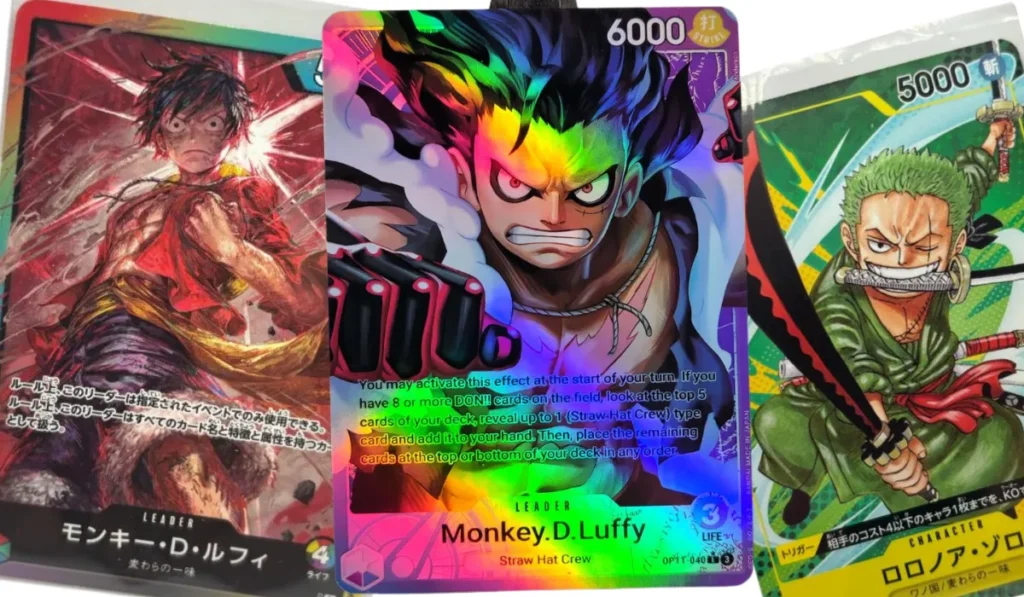
In August 2024, a serious warning came from graders about fake Monkey D. Luffy Alternate Art Manga Rare cards in the One Piece TCG. These counterfeits featured slight changes in font thickness, card texture, and authenticity stamp clarity.
Experts recommend careful inspection and authentication, especially with expensive or limited-edition releases.
Key Signs to Watch For:
- Unusual font spacing or thickness
- Differences in card texture
- Blurry or unclear stamps
- Deals that seem too good to be true
If in doubt, verify with a trusted grading company and avoid risky listings.
Telling Authentic Cards from Fakes
Carefully checking TCG cards can stop buyers from wasting money on fakes. A few key signs help collectors spot counterfeit Pokémon and One-Piece cards and make smart choices when trading or buying online.
Check the following signs:
- Thickness: Too thin or flimsy? Likely fake.
- Print Clarity: Blurry or pixelated art is suspicious.
- Edges: Jagged or rough edges mean poor cutting.
- Light Test: Hold card up to light authentic cards show a black or blue inner layer.
Iconic Pokémon And Artwork at Risk
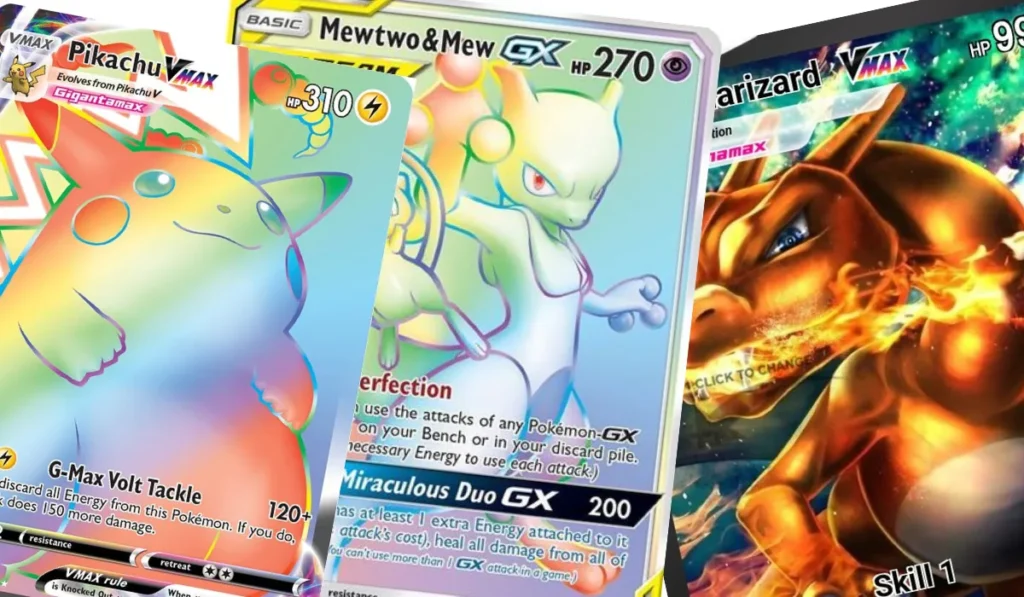
Popular Pokémon such as Pikachu, Charizard, and rare legendary cards, along with sought-after One Piece characters, attract counterfeiters the most. These cards often feature unique artwork, special holographic effects, or exclusive event prints.
Fakes focus on copying high value rare cards since they are more valuable to collectors. Artwork on counterfeit cards may look different: colours might not match the original, backgrounds can be blurry, and character proportions are sometimes off.
Rarity symbols may be missing or wrong. Checking popular card images on trusted guides is a fast way to compare details and spot errors.
Collectors should also pay attention to misprints and suspicious packaging that often accompany fake cards.
Where Counterfeit Cards Are Often Found
Counterfeit Pokémon and One Piece TCG cards show up most often in places where sellers can hide behind screens or lack official checks. Knowing where these cards appear helps collectors avoid wasting money or getting scammed.
Online Marketplaces And Auction Sites
Many fake cards turn up on big online platforms such as eBay, Amazon, and private seller groups on social media. Sellers may use blurry photos or offer prices that seem too good to be true.
It’s also common for listings to say “custom,” “proxy,” or “reproduction,” which are often signs of fakes. Buyers should look for seller reviews, detailed item photos, and return policies.
Be wary when listings show rare or expensive cards for very low prices. Comparing the card’s listing to databases like TCGPlayer or checking reliable community forums can also help detect scams.
| Warning Signs | What To Look For |
| Vague descriptions | High-quality, clear images |
| Uniform bulk listings | Feedback from previous buyers |
| Unusual shipping origins | Secure payment methods |
Fake cards can be mixed with real ones in lots or mystery boxes. Buyers should avoid sellers who cannot answer questions about where their cards come from.
Unverified & unethical Sellers
Unethical sellers may sometimes carry cards of questionable authenticity, especially those sold at unusually low prices. These cards might come with minimal packaging, and some are displayed openly on tables or racks with handwritten price tags.
While not all low-cost cards are fake, cards sold through unverified channels can occasionally show signs of poor print quality, faded colours, or lower-grade materials issues often seen in counterfeits.
To reduce the risk, buyers are encouraged to shop from retail stores or trusted sellers like DXCOLLECTION. Always ask for receipts, and when possible, compare the cards against verified listings on official card websites. Check for differences in texture, size, and colour to ensure authenticity.
For more tips on print quality, visit guides like JustInBasil’s fake card identification.
Strategies To Avoid Getting Scammed
It is important to know how to check if cards are real. Use safe payment methods when buying cards.
Trusted Methods Of Authentication
One key step is to compare the back of a card with a genuine one. Pay attention to the colour, shade, and clarity, as fake cards often look dull or off-colour.
Hold the card up to a light. Real cards have a light blue line inside the cardboard layers, which is usually missing on fakes.
Check for spelling and grammar mistakes. Real Pokémon or One Piece cards use correct names and symbols.
Fake cards may have words misspelt or missing accents, like “Pokemon” instead of “Pokémon”. Some also test for authenticity by gently bending the card.
Safe Buying Practices And Payment Options
It’s smart to buy from shops or sellers who have many good reviews and a solid reputation. If using an online marketplace, check for completed trades and real feedback from other buyers.
Only use secure payment methods, like PayPal Goods and Services, which offer buyer protection. Avoid using methods like bank transfers or friends and family payments because these do not offer refunds if there’s a problem.
Ask sellers for clear, close-up photos of both the front and back of the cards. If they refuse or make excuses, that’s a warning sign.
Collectors are less likely to be scammed if they take time to read all details, ask questions, and never rush into a deal.
The Broader Impact On Collectors and Communities
Fake trading cards reach beyond simple disappointment. They affect trust, cause confusion, and even change how Pokémon fans and collectors interact and spend money.
Effects Of Counterfeit Cards on Fans
Counterfeit cards can devalue genuine collections. Authentic cards that collectors spent years gathering may lose worth if fakes become widespread.
Many Pokémon fans feel betrayed when they realise their prized card is not authentic. This can make people lose interest in collecting, especially children who may not understand the difference between real and fake items.
Trading and selling also become risky. Scams have resulted in heavy financial losses.
Some players and collectors become wary about buying from others, fearing they might get scammed. Even the fun of playing the card game changes.
Disputes often start if someone uses counterfeit cards at events or local meetups.
Community Responses and Initiatives
Collectors and groups work together to fight the issue. Many well-known websites and forums post guides that help people identify fake Pokémon and One Piece TCG cards.
For example, there are detailed tips on spotting fake Pokémon cards and detecting fake cards in other games. Shops and event organisers are taking action too.
Some only buy or trade with verified cards. Others host regular information sessions for new collectors.
Table: Common Community Initiatives
| Initiative | Description |
| Guide sharing | Forums and sites offer free guides and videos |
| Trusted sellers lists | Communities recommend safe sellers |
| In-person verification | Shops help check authenticity in-person |
| Reporting scams | Fans report bad sellers to warn others |
These joint efforts build trust and support among all collectors. They help keep fakes out and protect the value of true collections.
What To Do If You’ve Been Scammed
If someone discovers they have been scammed when buying Pokémon or One Piece TCG cards, acting quickly is important. The person should gather all evidence first.
This includes photos of the items received, screenshots of conversations with the seller, and any receipts or payment confirmations. Next, they should report the scam on the platform where the purchase was made.
For example, on Shopee, Lazada, eBay, or PayPal, there are ways to file a dispute directly through the website or app. Clear evidence should be uploaded to support their case.
A simple checklist can help organise the evidence:
| Evidence Type | Examples |
| Photos | Item, packaging |
| Chats | Seller messages, agreements |
| Receipts | Payment confirmations |
They should also leave honest feedback about the seller to warn others. Most platforms allow reporting of suspicious sellers and leaving reviews.
This helps protect other buyers from falling into the same trap. If payment was made through a bank or PayPal, contacting the bank or PayPal support is a useful step.
They may be able to stop the payment or open a claim for a refund. Telling friends or local collectors about the scam can also prevent more people from getting tricked.
Some online forums offer advice on how to handle card scams and share updates on known bad sellers.
Where To Safely Buy Authentic Cards in Singapore
For anyone wanting genuine Pokémon or One Piece TCG cards in Singapore, choosing trusted local shops is important. Buying from reputable sellers helps lower the risk of scams and fakes.
DXCOLLECTION Singapore is a reliable retailer that stocks both singles and sealed products for Pokémon and One Piece card games. We are known for offering original cards, helping collectors and players avoid counterfeit issues.
Buying locally also brings several advantages:
- Easy access to support if you have questions
- Authenticity checks to make sure cards are real
- Pre-order services for the latest sets
- Event-based selling and chances to join game communities
Here is a quick guide to safe buying:
| Store Type | Advantages |
| Local Card Stores | Authentic products, customer support, events |
| Official Pokémon Shop | Guaranteed originals, new releases |
| DXCollection Singapore | Trusted for high-quality, well-stocked TCG singles and booster sealed packs. |
Always check for established shops and read customer feedback before buying.
Frequently Asked Questions
Knowing how to spot counterfeit trading cards can prevent scams and help collectors protect their collections. Clear differences can help distinguish real cards from fakes.
Real Pokémon cards have consistent printing, high-quality images, and correct spelling. Counterfeits may show colour mismatches, blurry text, or incorrect fonts.
Compare the back of the card with a known authentic one — fake cards often have the wrong shade of blue or off-centre patterns.
Fake One Piece TCG cards often have printing errors, poor-quality colour, and rough edges. The card stock may feel too thin, too glossy, or poorly cut.
Spelling and grammar mistakes are another red flag. You can also refer to a detailed guide on spotting fake One Piece cards for more examples.
If you discover counterfeit Pokémon cards, avoid selling or trading them. Inform the seller or platform where they were purchased.
You can also notify official Pokémon TCG retailers or customer service. It’s best to separate fake cards from your main collection or dispose of them.
No. Counterfeit Pokémon cards have no value in the official trading card market. They are not tournament-legal and are not recognised by collectors.
While some people use them for casual play at home, they should never be sold or misrepresented as genuine cards.
Owning fake Pokémon cards for personal use is generally not illegal. However, selling, trading, or using them in official play may violate laws or game rules.
Possessing large amounts with intent to distribute can raise legal concerns. It’s best to keep fakes separate and clearly marked if used at all.
Genuine Pokémon cards have a “black core” — a faint dark layer in the middle when held up to strong light. This prevents excessive light from passing through.
Fakes often lack this layer or appear too transparent, making the light test a helpful method for spotting most counterfeits.