Table of Contents
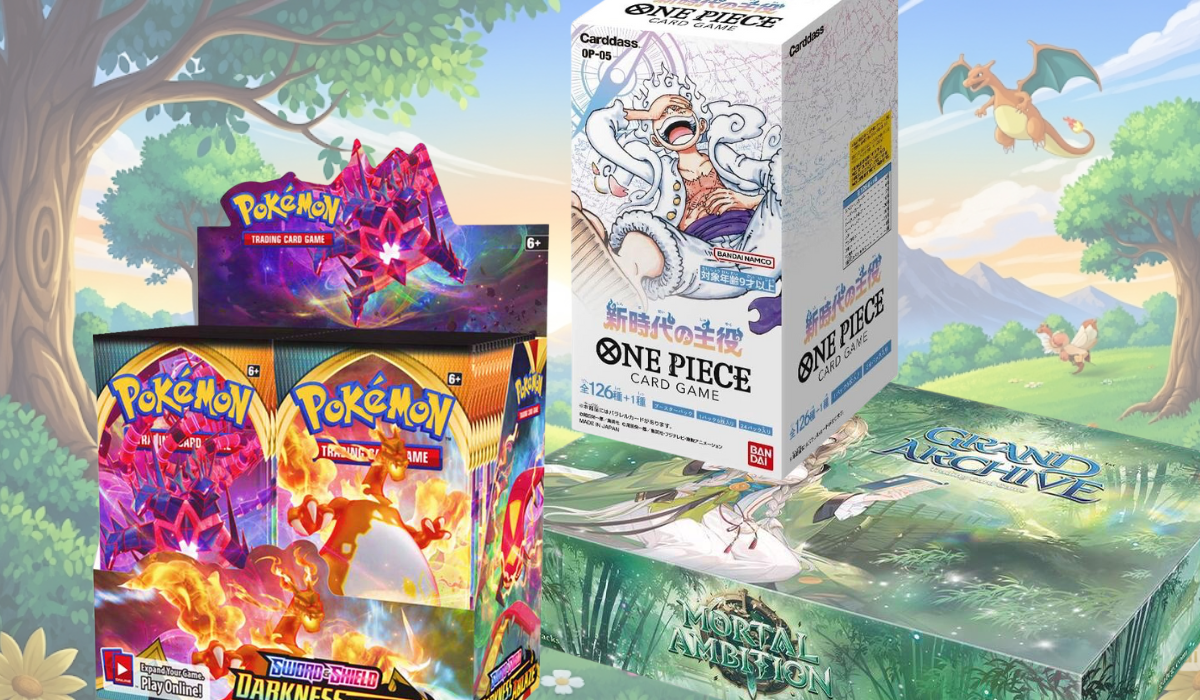
Trading Card Games (TCGs) continue to captivate collectors and players worldwide. Pokémon cards have remained a fan favourite for over two decades, while the One Piece TCG, launched nearly 25 years after the manga’s debut, quickly gained popularity, with booster boxes reaching close to S$1,000 by early 2024. New titles like Grand Archive are also making waves, featuring a fresh system where players control champions and aim to defeat their opponents’.
Whether it’s the strategic depth of Pokémon’s 60-card decks, the skyrocketing value of One Piece cards released in Japan in July 2022, or the unique 12-card Material Deck format of Grand Archive, each game offers a different kind of excitement. If you’re new to the world of TCGs, diving in might seem overwhelming at first — but it’s easier than you think.
This guide will walk beginners through everything they need to know about starting a TCG card collection. You’ll learn about choosing between these popular games, making smart first purchases, establishing good collecting habits, and understanding card rarity and value. These essential strategies will help you build an enjoyable and potentially valuable collection. Your journey into the fascinating world of TCG cards starts here.
Choosing Your TCG Focus: Pokémon, One Piece, or Grand Archive
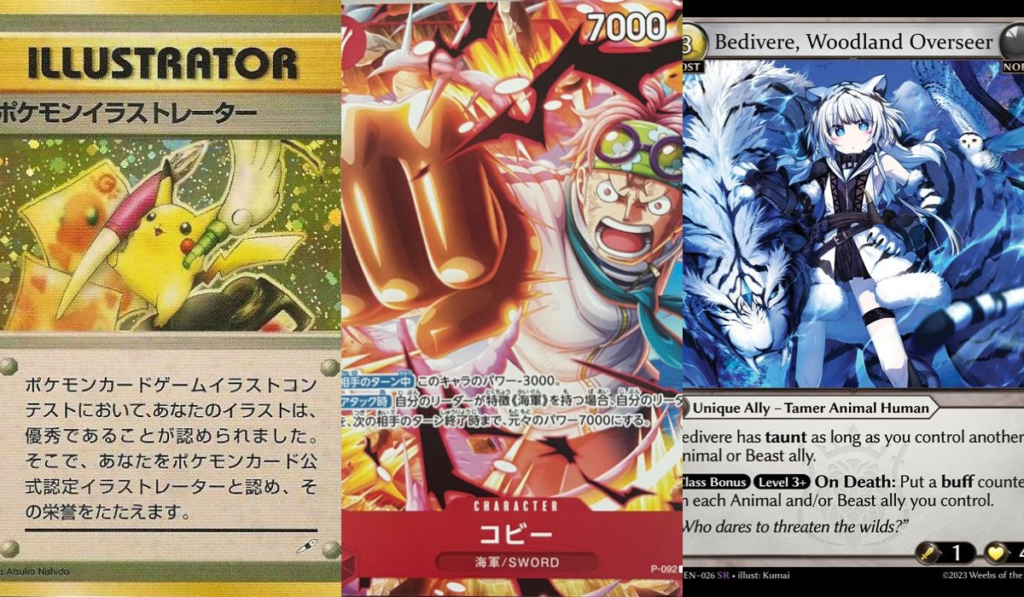
Selecting the right TCG to focus on can significantly impact your collecting journey. Each game offers unique experiences that appeal to different types of collectors and players.
What makes each TCG unique?
Pokémon TCG brings the familiar battle mechanics from the video games to card format. This makes it remarkably accessible for anyone with previous Pokémon experience. Players build 60-card decks centred around Pokémon battles, aiming to knock out opponents’ Pokémon and collect prize cards. The game features distinct regulation marks on cards, helping players easily identify which ones are currently tournament-legal.
One Piece TCG adapts the high-seas adventures of the popular manga into card format. The game utilises a Leader system where your chosen Leader determines which cards you can include in your deck, similar to Commander format in other TCGs. Booster packs cost around S$5 and competitive decks cost approximately S$100, making it relatively affordable compared to other TCGs.
Grand Archive combines western game design philosophy with anime aesthetics. The game emphasises card clarity, precise rules text, and low stat numbers. Its unique resource system uses cards from your hand as mana, placing them in a “memory” zone that eliminates the common problem of resource scarcity faced in other games.
Which TCG is best for collectors vs. players?
Pokémon offers decades of history with established value for collectors. Cards in gem mint condition can be worth significantly more than those with minor imperfections. For example, a first edition Base Set Charizard graded PSA GEM MINT 10 is valued at over S$340,000, compared to around S$30,000 for a PSA MINT 9.
One Piece appeals to those who enjoy the manga’s artwork and characters, with weekly tournaments supporting active players. Its relatively recent entry into the market means early collectors might benefit from future appreciation.
Grand Archive appeals to both collectors and competitive players with its unique approach. It offers full transparency through The Index, a public database that tracks the population of all normal and foil cards—something rarely seen in other TCGs. For strategic players, the game also delivers depth, featuring over 24 basic deck archetypes in its very first set.
Availability and community support
Pokémon has the largest established community among these three, with monthly events suitable for both children and adults. Finding players and cards is relatively straightforward since it’s one of the top three most popular TCGs globally.
One Piece features weekly meetups and monthly major events, creating regular opportunities for play and trading. Its growing popularity has led to some sealed products appreciating significantly.
Grand Archive has cultivated a dedicated following with over 12,000 registered players on their official organised play platform and 12 major tournaments planned. The community hosts biweekly events at local game stores, creating regular opportunities for new players to join.
First Steps: What to Buy and Where to Start
Your next decision involves what products to purchase first once you’ve chosen your TCG focus. Smart initial buying choices help you avoid costly mistakes while building a meaningful collection.
Starter decks vs. booster packs
Starter decks serve as excellent entry points for beginners. These pre-constructed packages typically contain 60 cards (40-60 depending on the game), rulebooks, playmats, and sometimes counters or dice. They provide a foundation for understanding game mechanics since they’re designed to be playable straight out of the box.
Booster packs contain 8-15 randomly assorted cards and offer the excitement of potentially pulling rare cards. They cost less than starter decks, but the price per individual card is actually higher. Booster packs work well as impulse purchases but aren’t always the most cost-effective way to build a specific collection.
Buying singles vs. sealed products
Single cards purchased directly offer several advantages over buying sealed products. You get exactly what you want without the gamble when seeking specific cards for your collection or deck.
Sealed products have their own merits, particularly for collectors. Sealed products tend to appreciate consistently over time, becoming collectibles themselves, unlike individual cards which may fluctuate in value. One investor observed, “Sealed doesn’t seem to have this problem. It rises… It never drops, unless it is a new set and it gets a reprint”.
Trusted online and local stores
Online purchases can be made through platforms like TCGPlayer, eBay, and specialty sites like DXCOLLECTION which offer wide selections. Always check seller ratings and avoid payment methods like bank transfers with unknown sellers when buying online.
Alternatively, for a hands-on experience and added peace of mind, you can visit DXCOLLECTION’s physical store at Parklane Shopping Mall, where you can inspect card conditions in person and connect with the local TCG community.
Experts Advice: beginners purchase a starter deck first, then gradually add singles that complement your strategy rather than relying on the lottery of booster packs.
Smart Collecting Habits for Beginners
Smart habits developed early in your collecting journey prevent costly mistakes and enhance enjoyment of TCG cards. These fundamental practices will help beginners build sustainable collections.
Set a budget and stick to it
Clear financial boundaries are essential for TCG collecting. Determine how much you can comfortably allocate after covering essential expenses. Category-specific allocations help manage resources effectively—consider separate budgets for singles, sealed products, supplies, and grading fees. Impulse buying rapidly depletes funds, so tracking expenses helps identify spending patterns. Before purchasing, always ask yourself: “Do I really need this card, or am I just caught up in the hype?”.
Track your collection with apps or spreadsheets
Documenting your collection improves organisation and value awareness. Apps like Collectr allow you to instantly value and track over 1,000,000+ products in real-time.
Spreadsheet enthusiasts can record unique ID numbers for each card alongside purchase prices and current market values for detailed oversight. Some collectors maintain separate tabs for collection summaries, detailed inventories, and price tracking.
Regular audits ensure your records remain accurate, helping identify valuable cards you may have overlooked.
Join online communities for trades and advice
Online communities offer valuable knowledge and trading opportunities. Forums like Poké Beach and Reddit’s r/pkmntcgtrades connect collectors worldwide. These platforms facilitate trades, reducing the need for additional purchases. Experienced collectors often share market insights, pricing trends, and collection strategies. Many communities host giveaways and special events where you might acquire cards without spending.
Avoiding scams and fake cards
Counterfeit cards are a persistent problem in the TCG market. Suspiciously low prices should raise concern, as bargains that seem too good often come with a catch. It’s important to buy only from reputable sellers with strong feedback and a reliable history like DXCOLLECTION. Look out for signs of poor print quality such as blurry text, incorrect fonts, or unusual colours.
You can also use the “light test”—authentic cards are made with thicker cardstock and won’t allow light to pass through easily, while counterfeits tend to be more translucent. For more tips, check out this guide on how to spot fake Pokémon and One Piece TCG cards. Reporting suspected fakes helps protect the wider TCG community.
Advanced Tips: Rarity, Value, and Long-Term Planning
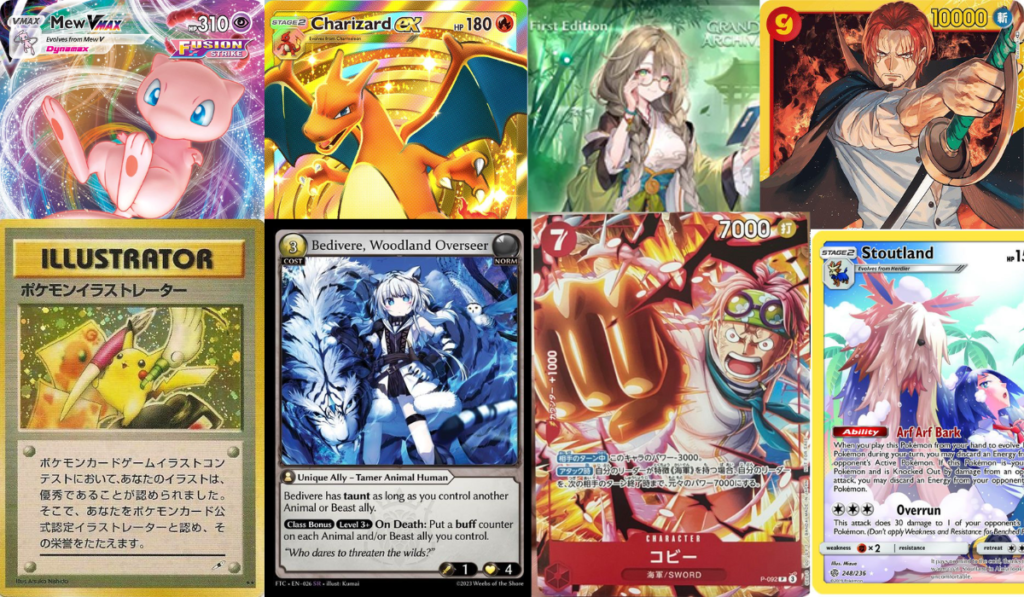
Serious collectors can master advanced aspects of the TCG world to increase both enjoyment and potential value appreciation. Grading systems, market timing, and strategic decision-making form the foundation of advanced collecting.
Understanding card grading and condition
Professional grading services assess cards and assign numerical grades that significantly impact market value. These services evaluate centering, corners, surface quality, and edges using magnification and specialised lighting. A card’s condition falls into categories ranging from Near Mint (minimal wear, crisp corners) to Damaged (major imperfections affecting integrity).
Grading plays a major role in a card’s value. For Pokémon cards, upgrading from a PSA MINT 9 to a GEM MINT 10 can increase the value several times over. Even small flaws from storage, such as edge wear or surface scratches, can lower a card’s grade and reduce its value by hundreds or even thousands of dollars.
How rarity affects value in different TCGs
Each TCG has its own rarity system, usually marked by specific symbols on the cards. In Pokémon, cards labelled SR (Secret Rare), HR (Hyper Rare), or UR (Ultra Rare) often command higher prices.
One Piece uses its own system with rarities like SR (Super Rare), SEC (Secret Rare), and L (Leader), with early Japanese print runs quickly gaining collector value. Grand Archive takes a unique approach by offering full print transparency through The Index, allowing collectors to see the exact population of each card rarity.
Still, rarity alone doesn’t determine a card’s value. The featured character plays a major role, with fan favourites like Charizard consistently fetching higher prices regardless of rarity.
Other factors that influence value include:
- Edition and print run (First Edition cards are typically worth more)
- Character popularity (Pikachu, Eeveelutions, and similar icons fetch premium prices)
- Limited availability (Japanese exclusives often appreciate faster, especially for early-run sets)
- Brand momentum (One Piece cards from the original Japanese releases have risen quickly in value, driven by strong demand and low print volume)
- Population tracking (Grand Archive cards stand out by offering full transparency through The Index, which helps collectors assess rarity and market value more accurately)
When to sell or hold cards
TCG markets operate in cycles, with major booms occurring approximately every four years. Strategic selling opportunities include:
- Before new set releases when interest in older cards peaks
- During anniversaries or media events that boost nostalgia
- When supply diminishes, especially for limited print runs
Economic downturns often present buying opportunities, whilst market booms provide ideal selling windows. Timing transcends holding duration—the goal is positioning for the next market surge.
Collecting for fun vs. investment
Financially smart collecting focuses on maximising your collection’s value while keeping costs down. This means buying cards you genuinely enjoy at the best possible prices. On the other hand, collecting for investment treats cards purely as financial assets and typically requires substantial capital, ideally over S$170,000, along with in-depth market knowledge to make informed decisions.
Most experts agree: unless pursuing high-end rarities with proven track records, collecting primarily for enjoyment yields more satisfaction than treating cards as investments. Insurance for valuable cards and professional grading provide additional protection for serious collectors.
Conclusion
Trading Card Games like Pokémon, One Piece, and Grand Archive each offer a unique appeal. Whether you’re interested in Pokémon’s rich history, One Piece’s fast-rising market, or Grand Archive’s fresh mechanics, the best way to begin is with a pre-constructed deck. These provide instant playability and help you learn the game without overspending. Setting a clear budget and using proper protection like sleeves and binders will help preserve your cards and maintain long-term value.
The TCG community adds another layer of enjoyment. Local events, online groups, and trading forums offer opportunities to learn, connect, and grow your collection alongside others. Whether you’re collecting for personal enjoyment or potential value, the most rewarding experiences come from genuine interest. Ready to start your journey? Explore our curated selection at DXCOLLECTION and build a collection you’ll truly enjoy.
Frequently Ask Questions
Consider your interests, budget, and goals. Pokémon offers a long-established market, One Piece is rapidly growing, and Grand Archive provides unique gameplay.
Research each game’s mechanics, artwork, and community support to find the best fit for you.
Begin with a starter deck for your chosen game. This provides a playable set of cards and helps you learn the game mechanics.
As you become more familiar, you can add individual cards (singles) that complement your strategy rather than relying on random booster packs.
Use proper card sleeves, binders, and storage solutions from the start. Even modest collections benefit from quality protection products.
This preserves card condition, which significantly impacts future value and enjoyment of your collection.
While some cards appreciate in value, it’s best to collect primarily for enjoyment rather than investment.
Unless you have substantial capital and extensive market knowledge, focusing on cards you like at good prices typically yields more satisfaction than treating them purely as financial assets.